
Branding Options
The way a product is branded changes how it looks, how long the logo lasts, and how the item is used. Print, stitch, engrave and transfer methods each suit different materials, artwork and campaign goals. More than one technique can be used on the same item — for example a screen print on a garment with an embroidered crest — to give the brand more depth.
Use the overview table to shortlist options, then read the method that fits your product. If you are unsure, talk to us before artwork is finalised. The right method usually costs less than fixing the wrong one.
Quick Reference Table:
| Technique | Also known as | Choose this when | Colour | Typical products |
|---|---|---|---|---|
| Pad Printing | Tampo print, tampography, pad print, ink-pad print | Small logos on curved or awkward shapes | Spot colour; metallics on many items | Pens, USB drives, keyrings, small tech |
| Rotary Screen Print | Wrap screen print, cylindrical screen print, rotary silk screen | A large solid logo wrapped around drinkware | Solid spot colour; metallics | Bottles, cups, mugs |
| Sublimation Print | Dye sublimation, dye-sub, heat sublimation | Full-colour artwork that becomes part of the surface | Full colour on white only; no metallics | Coated mugs, polyester fabric, coated metal |
| Embroidery | Machine embroidery, stitching, thread branding | A raised, long-wear logo on apparel | Up to 12 thread colours; metallic or matt | Polos, jackets, caps, bags |
| Imitation Etch | Fake etch, frost print, frosted print, acid-free etch | A frosted glass look without chemical etching | Frosted single-colour effect | Glass drinkware and awards |
| Debossing | Blind deboss, heat stamp, indented branding, sunken logo | A quiet, premium mark pressed into the product | Tone-on-tone; two-tone on selected items | Notebooks, leather and PU gifts |
| Rotary Digital Print | Rotary UV, wrap digital, 360 digital print, cylindrical UV print | Full-colour wrap on bottles and tumblers | Full colour UV; no metallics | Cylindrical drinkware |
| Laser Engrave | Laser engraving, laser etch, laser marking | A permanent mark that will not peel or fade | Natural material colour only | Metal bottles, pens, wood, some plastics |
| Digital Print | CMYK print, four-colour print, full-colour digital, inkjet print | Photo-quality print on flat paper, vinyl or badges | Full colour CMYK; no metallics | Paper, vinyl, magnets, badges |
| Resin Coated Finish | Doming, dome badge, polyurethane dome, resin dome | A glossy 3D badge on a flat area | Full colour under clear resin | Keyrings, tech gifts, name badges |
| Digital Adhesive Labels | Printed labels, stickers, decals, wrap labels | The product cannot be printed directly | Full colour; no metallics | Bottled water, sanitiser, irregular packs |
| Silicone Digital Print | Silicone CMYK, silicone inkjet, silicone UV print | Full colour on flexible silicone | Full colour + white base; no metallics | Silicone gifts, wearables, lids |
| Flatbed Screen Print | Screen print, silk screen, mesh print | Bold solid colour at volume | Spot colour; metallics | T-shirts, tote bags, flat hard goods |
| Direct Digital Print | UV print, UV inkjet, flatbed UV, direct-to-object print | Full colour on flat or slightly curved hard goods, including dark items | Full colour UV + white underbase | Notebooks, power banks, tech, gifts |
| Colourflex Transfer Print | Colourflex, digital transfer, heat transfer, garment transfer | Detailed full-colour logos on garments | Full colour + white; no neon/metallic | Apparel, fabric bags |
| SupaColour | Supacolour transfer, hybrid digital/screen transfer | Photo-quality print that stretches and washes well | Unlimited colour and gradients | Apparel, including seams and mixed fabrics |
| SupaSub | Printed patch, sublimated patch, badge patch | Embroidered look with printed detail | Vibrant full colour on a patch | Beanies, caps, bags, scarves |
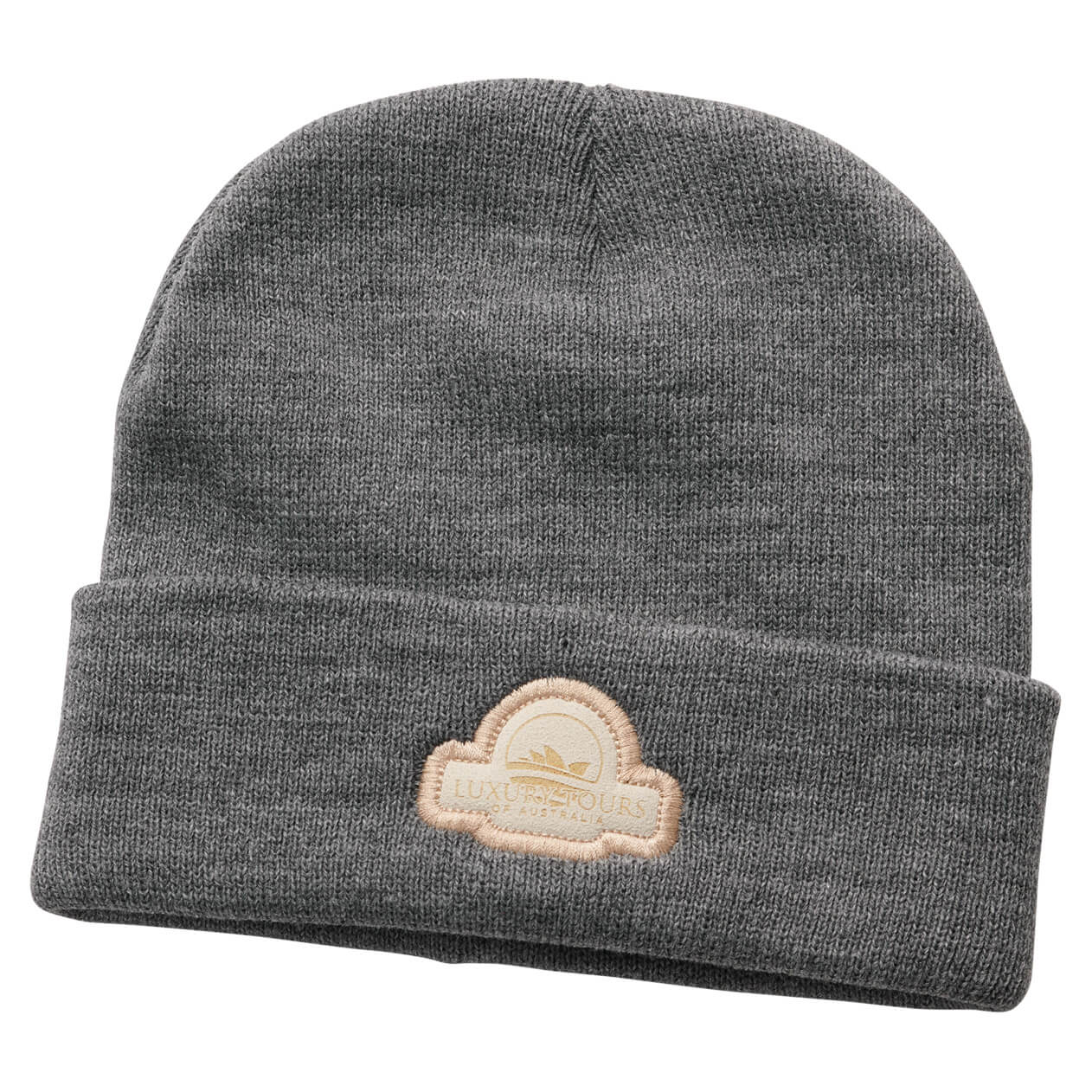
| SupaEtch | Suede patch, laser-etched suede badge | A suede patch with a laser-etched logo | 11 suede colours + stitch options | Blankets, beanies, bags, scarves, caps |
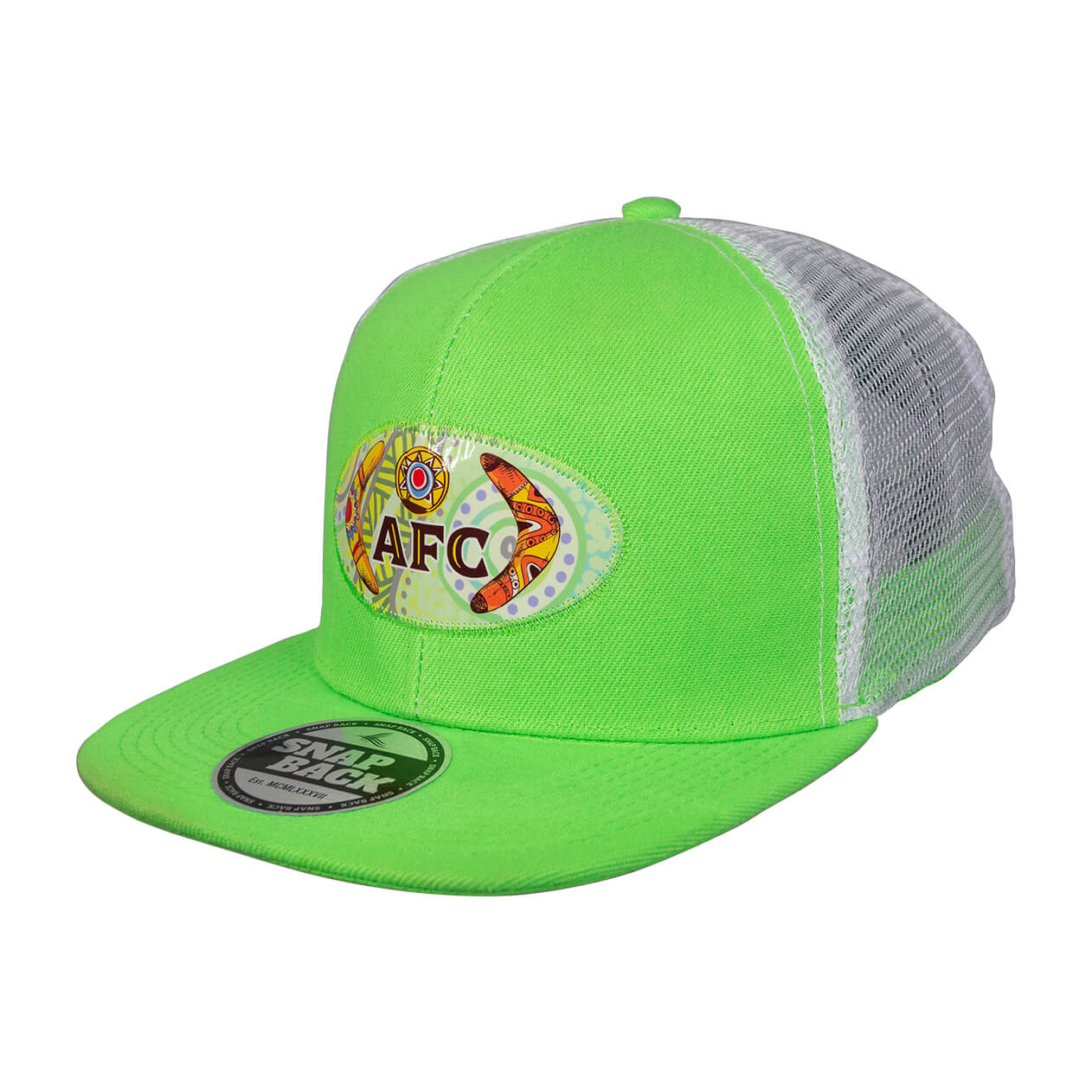
| SupaFlex | Colour patch, flex badge, floating logo patch | A lightweight colour patch with fine detail | Full colour; matt or gloss | Caps, beanies, bags, scarves, apparel |
Pad Printing
Also known as: tampo print, tampography, pad print, ink-pad print
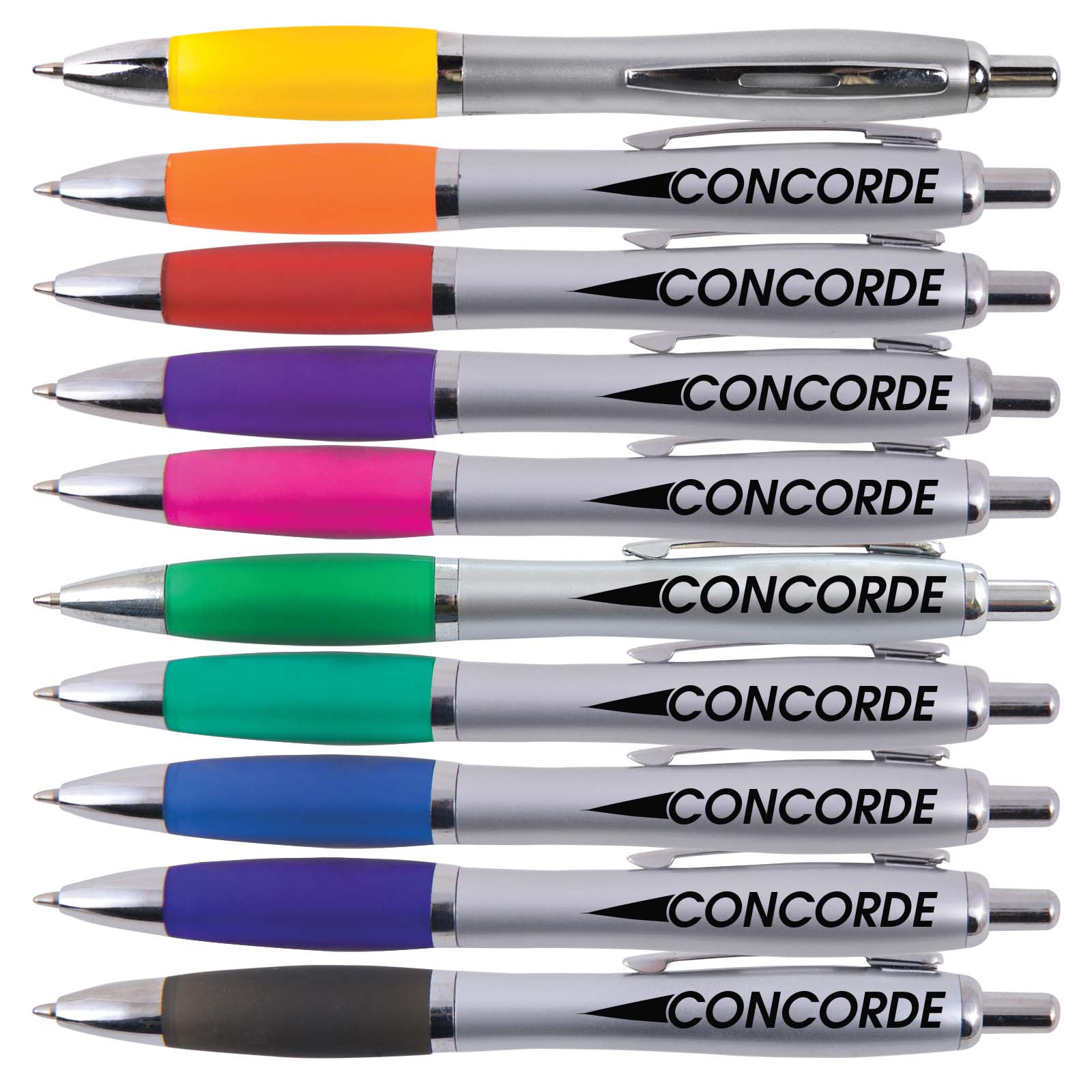
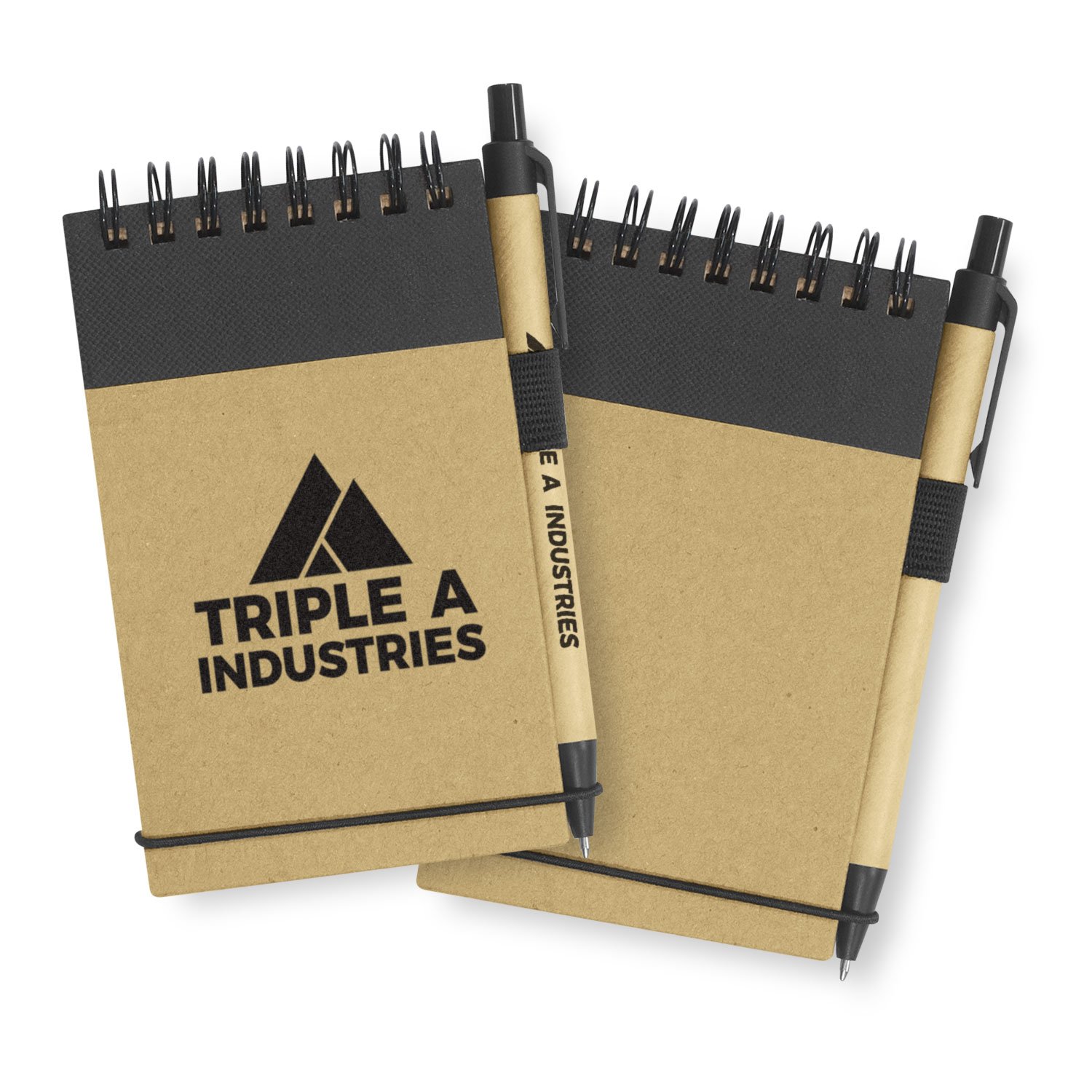
Pad printing transfers a spot-colour logo onto small, curved or uneven products that other methods cannot reach cleanly. A silicone pad picks ink up from an etched plate and presses it onto the item. It is still the workhorse method for pens, USB drives, keyrings and small tech because it is fast, affordable and consistent at volume.
Use it for simple brand marks, not photographs. Multi-colour print is possible on many items, with each colour printed in turn. Close Pantone matches are realistic on white or light surfaces. Metallic gold and silver are available. Ink sits on the surface, so high-wear areas will show wear sooner than an engraved mark.


Good for:
- 3D, curved and uneven surfaces
- Delicate items that cannot take heat or heavy pressure
- Hard materials (plastic, metal, glass) and some soft materials
- Tight deadlines and budget-conscious runs
- Metallic gold and silver
Not suitable for:
- Small print areas
- Gradients, photos or very fine hairlines
- Individual names
Rotary Screen Print
Also known as: wrap screen print, cylindrical screen print, rotary silk screen
Rotary screen print wraps a solid colour around cylindrical products — drink bottles, cups and mugs — so the brand can occupy a much larger area than pad print allows. The item rotates on rollers while ink is pushed through a screen. Solid blocks of colour look best. Fine lines, halftones and multi-colour registrations are a poor fit.
On white or light products, Pantone matching is close. On dark products the match is approximate. Metallic gold and silver are available. Most inks dry quickly; some coatings need a short cure before the order can ship. For full-colour photography on a bottle, rotary digital print is usually the better option.


Good for:
- Large print areas and strong brand presence on drinkware
- Solid spot-colour logos
- Metallic gold and silver
- Volume orders of the same design
Not Suitable for:
- Multi-colour or photographic artwork
- Halftones and very fine lines
- Variable data
Sublimation Print
Also known as: dye sublimation, dye-sub, heat sublimation
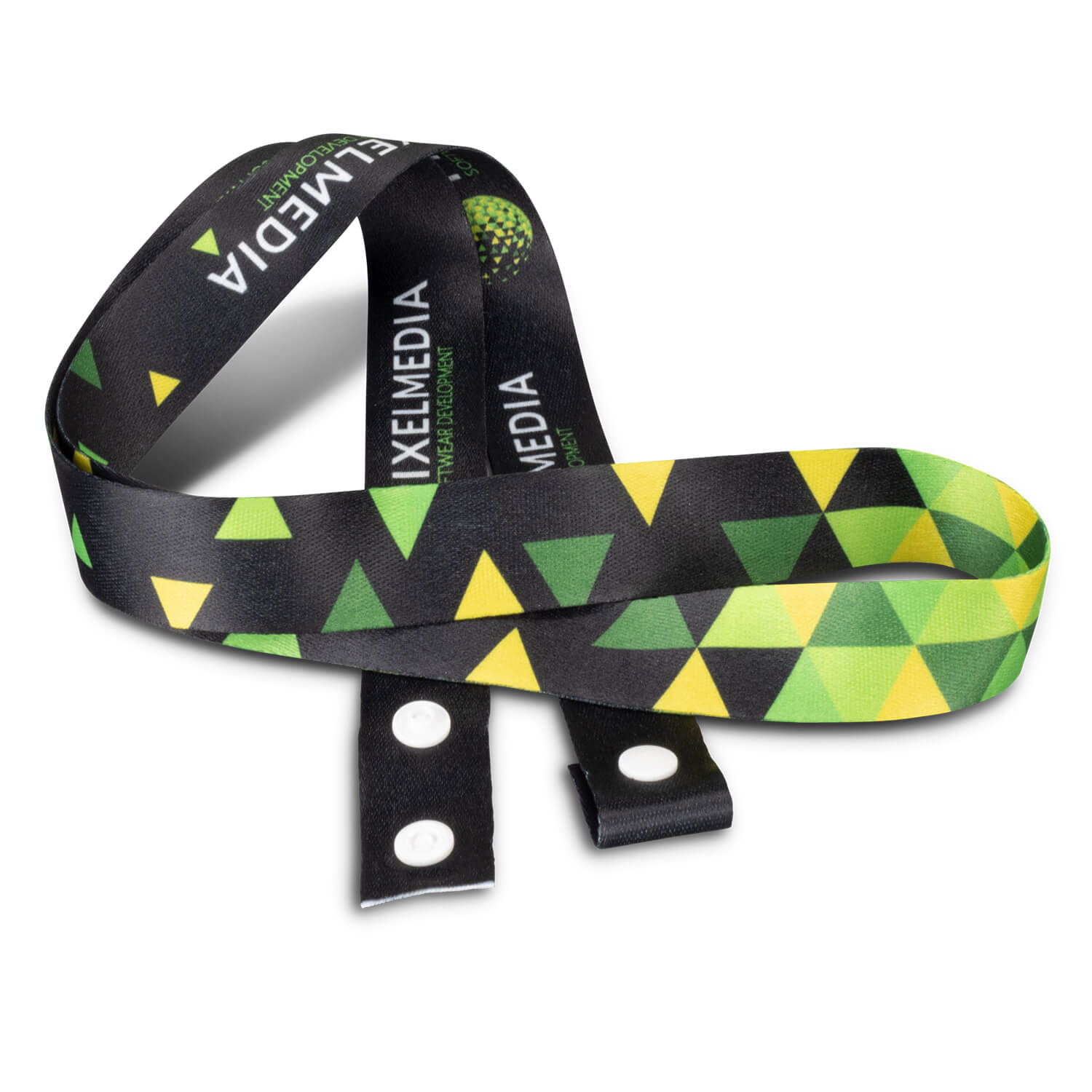
Sublimation turns dye into gas under heat and pressure. The colour bonds into a polymer coating or polyester fibre rather than sitting on top, so it will not peel or scratch off in normal use. The print has almost no hand-feel. It is the standard method for coated mugs, polyester performance fabric and coated metal panels when you need full colour or a name on every piece.
Two hard limits remain: the surface must be white (or very light), and it must be polyester or polymer-coated. Cotton, linen and uncoated metal will not take the dye. White ink does not exist in this process, and metallic gold or silver cannot be reproduced. Pantone matching is approximate. Add 3mm bleed if the artwork runs off the edge.



Good for:
- Vivid full colour and gradients that last
- Personalised names on ex-stock items
- One set-up regardless of how many colours are in the file
- Event teamwear and coated drinkware
Not suitbale for:
- Dark surfaces
- No metallics
Note: Large edge-to-edge jobs can show minor edge marks
Embroidery
Also known as: machine embroidery, stitching, thread branding
Embroidery stitches the logo into the fabric with thread. The raised finish still reads as the most premium option on polos, jackets, caps and bags, and it survives years of washing if the design is digitised properly. Artwork is converted to a stitch file first. That file sets stitch count, which is what drives cost and production time.
Keep type above 4mm and avoid hairline detail — thread cannot hold a 1pt rule. Up to 12 thread colours can run in one position from a single set-up. Metallic and matt threads are available. Pantone matching is by the closest thread, not a printed ink, so it is always approximate. Individual naming is not practical on a standard embroidery run.


Good for:
- Uniforms, outerwear, caps and quality tote bags
- Logos that need to look expensive and last
- Metallic thread highlights
- Combining with print on the same garment
Not suitable for:
- Fine lines and small types
- Individual names
Note: Cost rises with stitch count and logo size
Imitation Etch
Also known as: fake etch, frost print, frosted print, acid-free etch
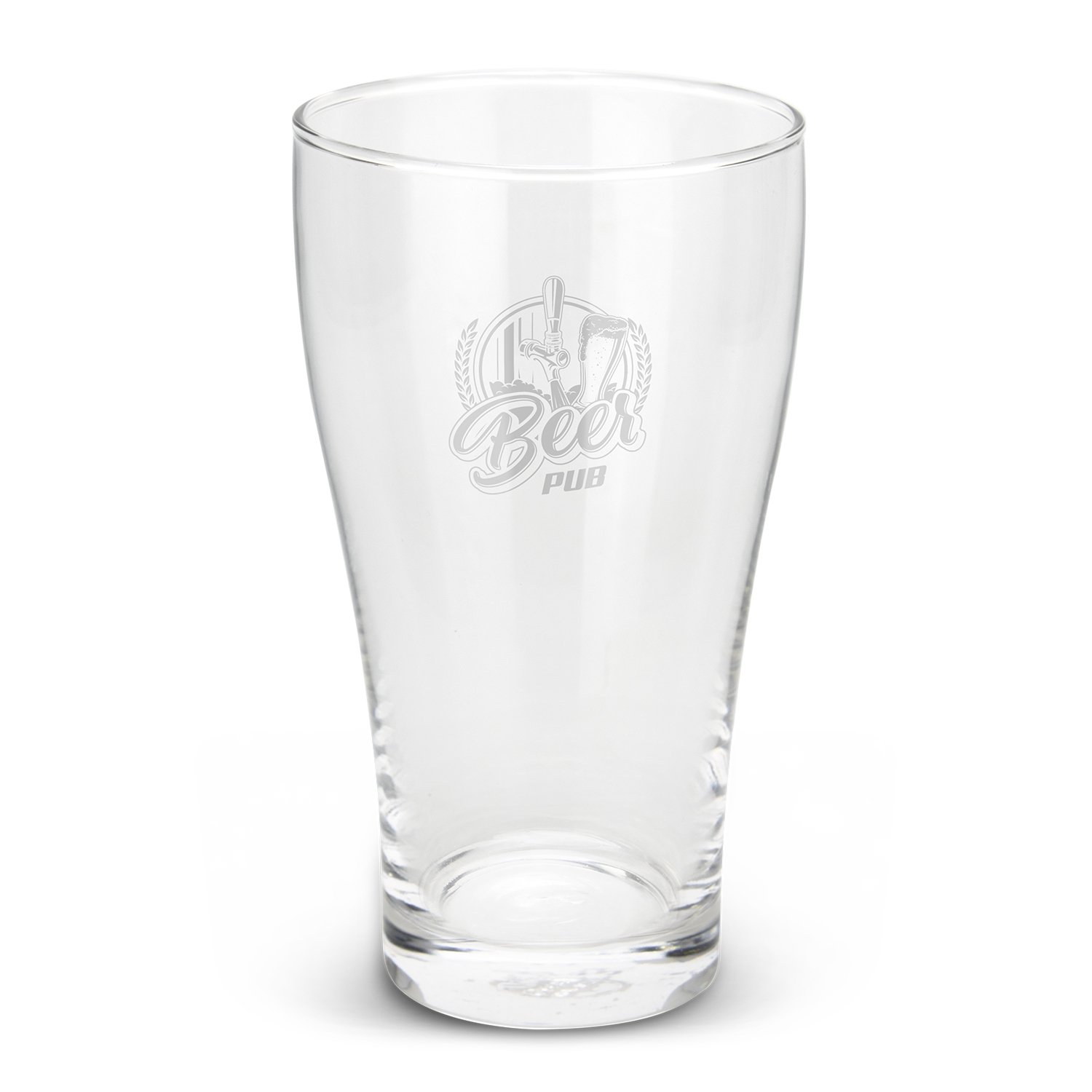
Imitation etch copies the frosted look of traditional glass etching without acid. A specialist pad-print ink is applied to glass to leave a soft, sandblasted appearance. It is the practical choice for glass drinkware and awards when you want a quiet, high-value finish at a much lower cost than chemical etch.
The effect is single-colour and subtle by design. Halftones do not hold. On a curve the print area is limited and slight distortion can show. The ink needs to cure before the goods can ship. For a mark that is actually cut into the glass, ask about true etch or laser on suitable glass.



Good for:
- Glass gifts and drinkware that need a refined look
- Curved or slightly uneven glass
- Budgets that cannot support traditional etching
Not suitable for:
- Halftones or photographic detail
- Tight curves areas
- Variable data
Note: Cure time before dispatch
Debossing
Also known as: blind deboss, heat stamp, indented branding, sunken logo
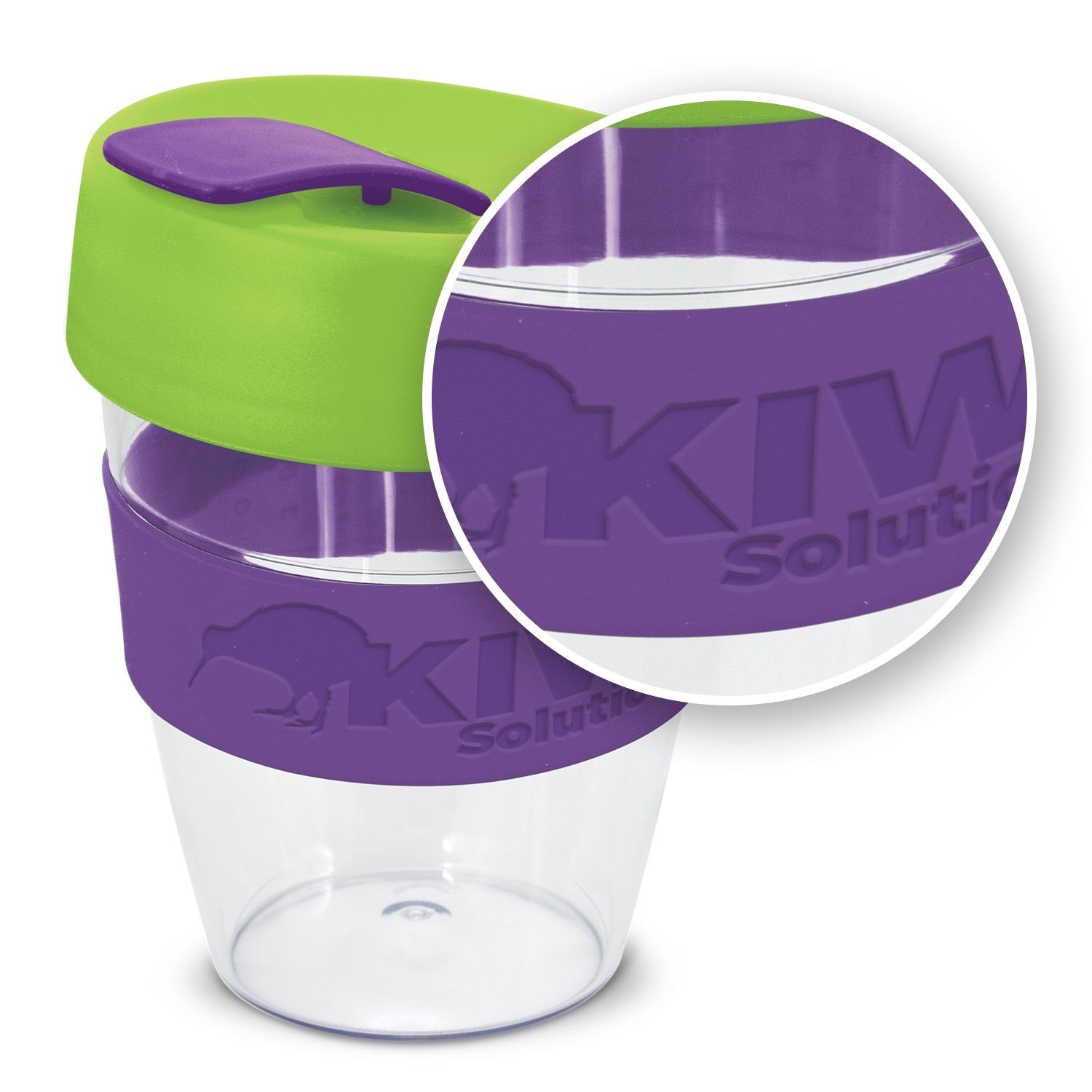
Debossing presses a heated metal die into the product so the logo sits below the surface. Nothing is printed on top, which is why notebooks, journals, leather and PU gifts still use it for a clean corporate finish. On selected products a thermal deboss can leave a two-tone mark where the coating colour changes under heat.
The artwork becomes part of the item and does not need curing. Variable data is not possible because each design needs its own die. Convert fonts to outlines before supply. Embossing is the opposite process (a raised mark) and is specified separately when a product allows it.



Good for:
- Notebooks, folders, leather and PU corporate gifts
- A permanent mark with no ink to wear off
- Two-tone thermal finishes on selected lines
Not suitable for:
- Individual names
- Fine details
Rotary Digital Print
Also known as: rotary UV, wrap digital, 360 digital print, cylindrical UV print
Rotary digital print (UV inkjet on a rotating fixture) puts full-colour artwork directly onto cylindrical products. There is no transfer paper and no screen. The bottle or tumbler turns while UV ink is laid down and cured. Use it when a campaign needs photography, gradients or a near-wrap on drinkware, including dark product colours.
One set-up covers any number of colours. There is no extra cure time after printing. Expect an approximate Pantone match, no metallic gold or silver, and a small unprinted gap where the print starts and ends. Production is slower than a single-colour rotary screen, so lead time and unit cost can be higher. That is usually acceptable when the artwork needs the extra colour.


Good for:
- Full-colour or photographic wraps on bottles and tumblers
- Dark product colours that still need vibrant print
- No post-print curing
Not suitable for:
- No metallic gold or silver
Note: A small gap remains at the print join
Note: Can be slower and more expensive than spot-colour screen
Laser Engrave
Also known as: laser engraving, laser etch, laser marking
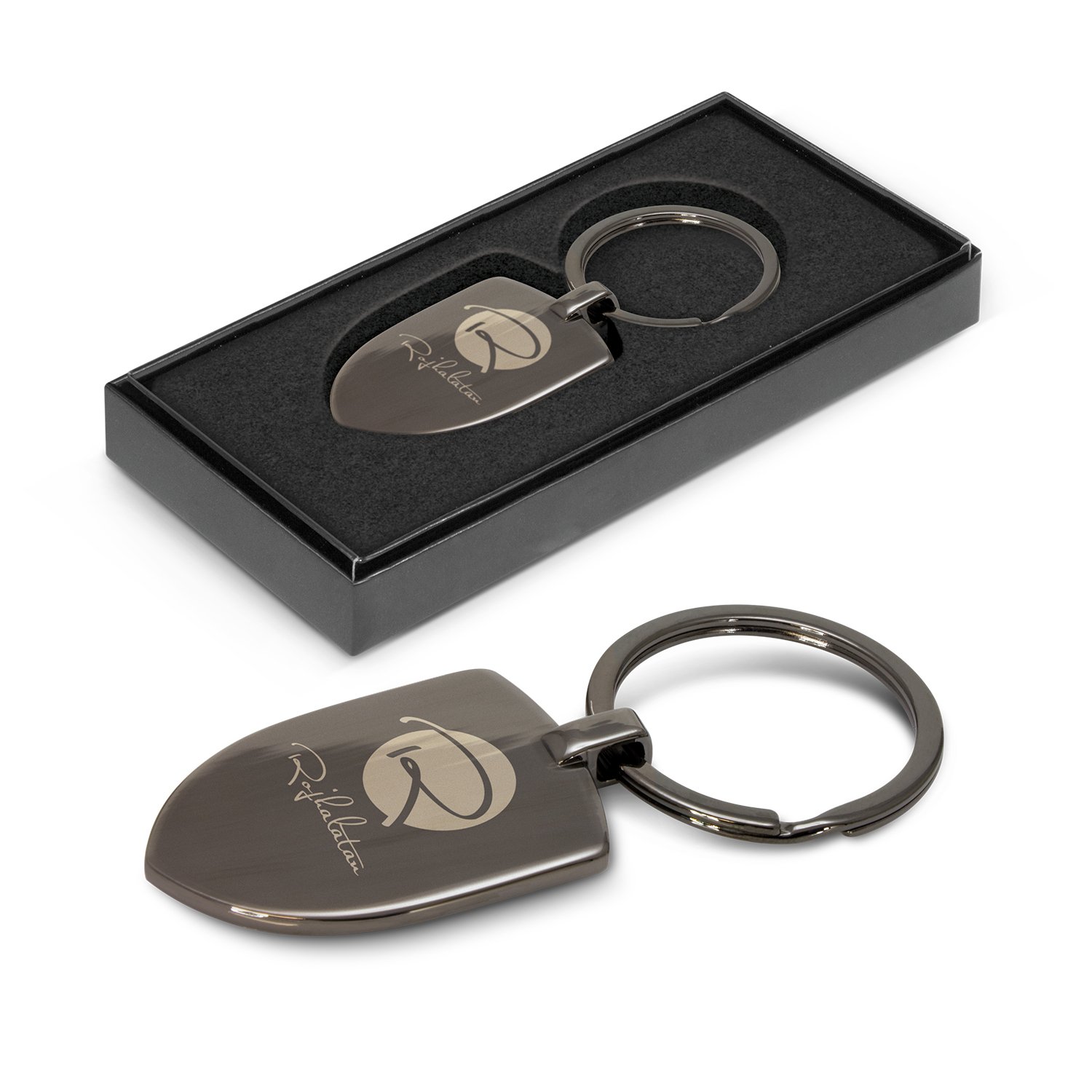
Laser engraving burns or vaporizes the surface so the mark is in the material, not on it. It will not peel, wash off or fade the way ink can. That is why it is the default premium method for stainless drinkware, metal pens, tools, wood and many executive gifts. Different materials react differently: aluminium often turns light, coated steel may reveal a contrasting core, wood chars to a darker brown. A pre-production sample is the only reliable way to approve the final colour.
Variable data, including individual names, is straightforward because the file drives the laser. There is no ink and no cure time. Fine detail can disappear on very small items such as slim pens, and the printable arc on a tight curve is limited.



Good for:
- Long-life corporate gifts and insulated drinkware
- Named pieces and other variable data
- Uneven or gently curved hard goods
- A no-ink finish that looks considered
Not suitable for:
- Small items – Detail can be lost on very small items
Note: Always approve a sample on the actual product colour
Note: No printed colour — the material sets the look
Digital Print
Also known as: CMYK print, four-colour print, full-colour digital, inkjet print
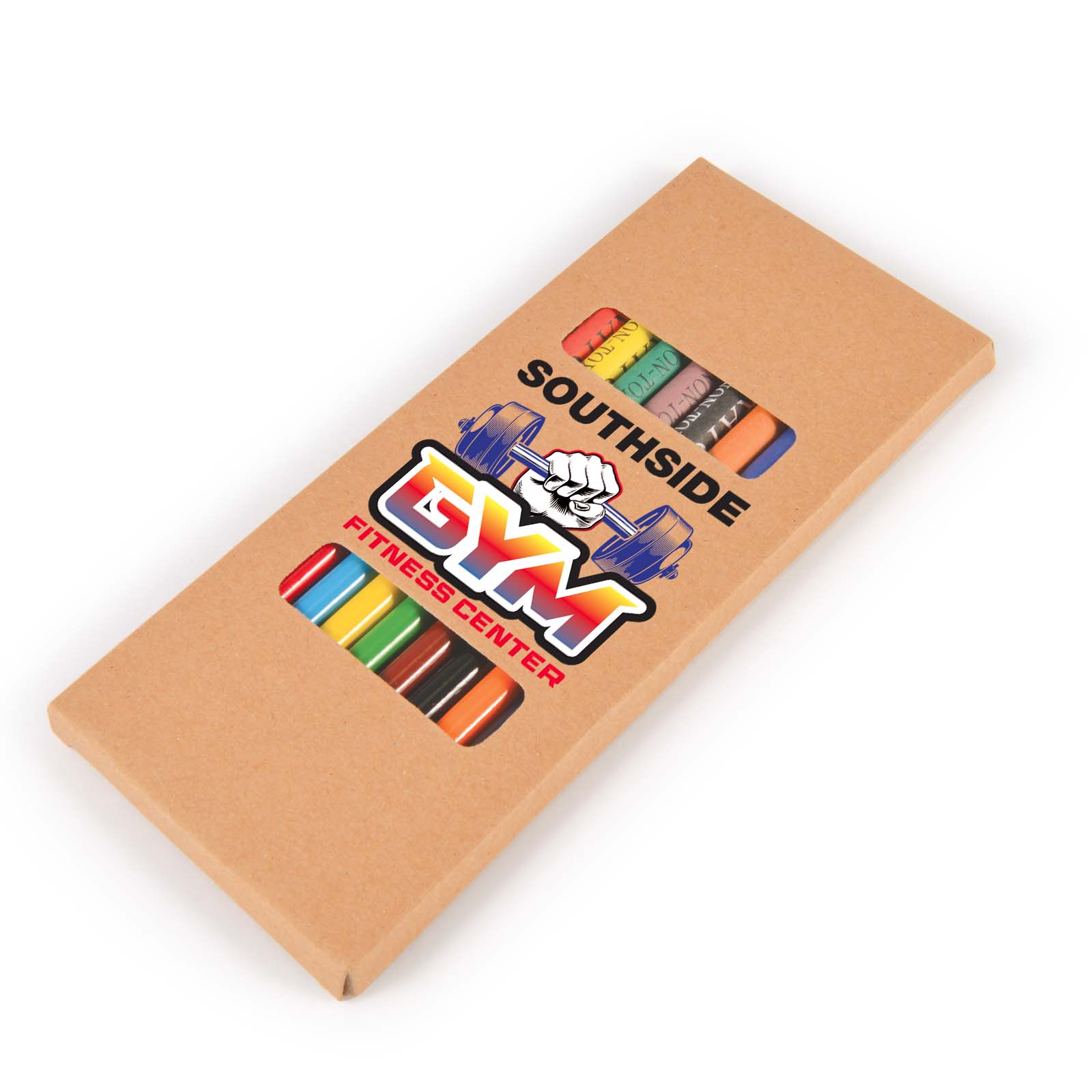
Digital print lays CMYK colour directly onto flat substrates such as paper, vinyl and badge stock. One pass produces full colour, gradients and small type without a screen for each colour. It is the right method for short runs, personalised names and artwork that would be expensive to separate for screen print.
Pantone matching is simulated, not mixed as a spot ink. Metallic gold and silver cannot be printed. The process needs a flat surface. If the design runs off the edge, add 3mm bleed. For hard gifts that are flat or only slightly curved, direct digital / UV print is usually specified instead.



Good for:
- Full-colour and photographic artwork
- Names and other variable data
- Edge-to-edge print with bleed
- Fast, lower-cost flat print jobs
Not suitble for:
- Flat surfaces only
Note: Approximate Pantone only
Note: No metallics
Resin Coated Finish
Also known as: doming, dome badge, polyurethane dome, resin dome
A resin-coated (domed) badge is a digitally printed vinyl cut to shape, then capped with a clear polyurethane dome. The resin magnifies the artwork and gives a glossy 3D finish that lifts keyrings, tech gifts and name badges. Variable data is simple because the print is digital.
The resin needs at least a day to cure before dispatch. Larger badges use more resin and cost more. Pantone is approximate and metallics are not available. The decoration is applied to a flat area — it will not wrap a tight compound curve. Add 3mm bleed if the art fills the badge.


Good for:
- A high-perceived-value 3D logo
- Full colour and named pieces
- Keyrings, power banks, badges and gift sets
Not suitable for:
- Quick turn around order – One-day minimum cure
- Curved surfaces – Needs a flat application area
Note: No metallics; approximate Pantone matches
Digital Adhesive Labels
Also known as: printed labels, stickers, decals, wrap labels
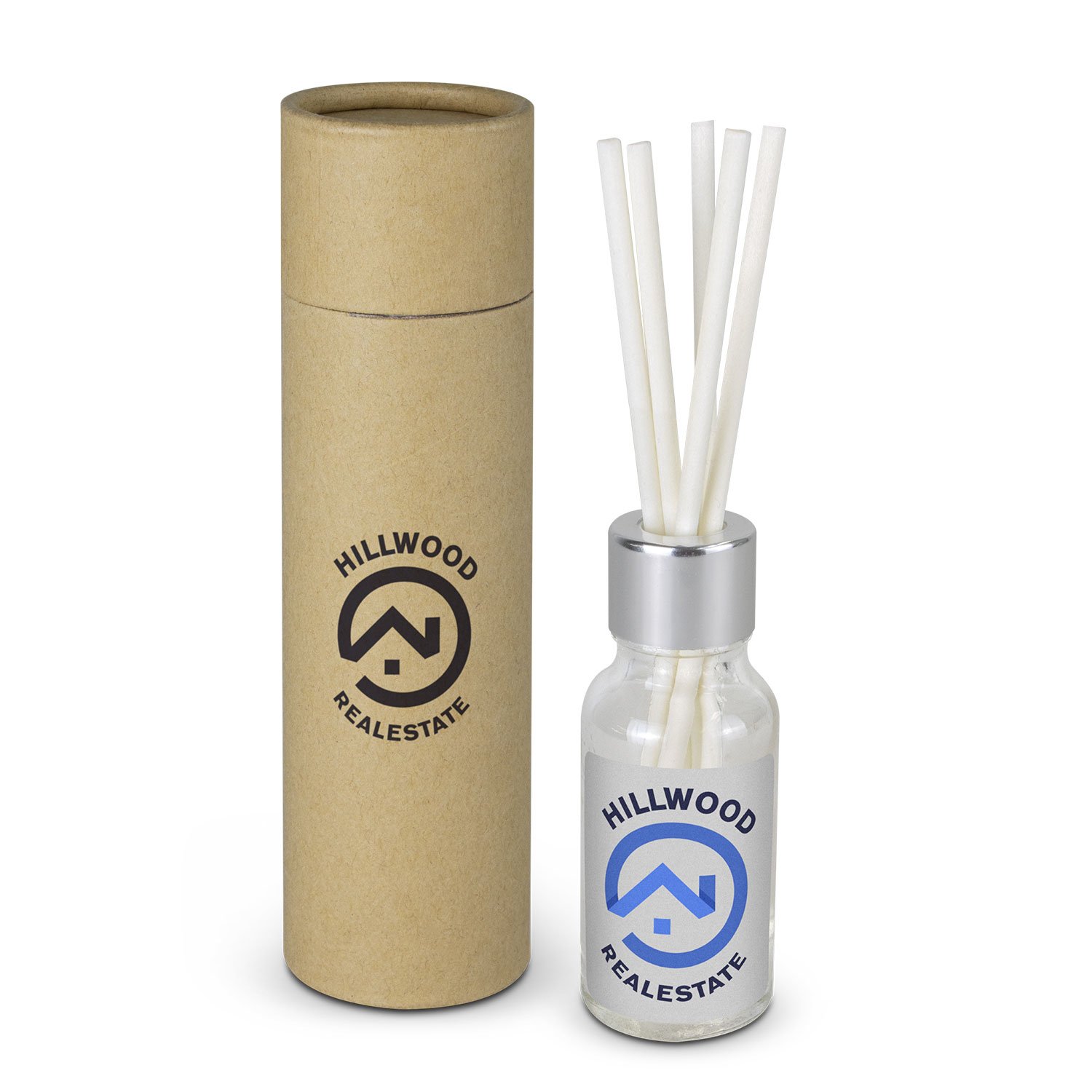
Some products cannot be printed, engraved or heat-pressed — bottled water, hand sanitiser, some food packs and irregular containers. A digitally printed adhesive label is then the branding. Label stock and adhesive are chosen for the job (water-resistant, heat-resistant, freezer-grade) so the label stays put in use.
Full colour and names are available in one set-up. Artwork can bleed off the label edge so there is no forced white frame. Metallics are not available and Pantone is approximate. Specify how the product will be stored and used so the correct face stock and adhesive are chosen.



Good for:
- Products that cannot take direct print
- Full colour and personalised labels
- Short runs where a custom moulded pack is not justified
Not suitable for:
- No metallic gold or silver
Note: Label durability depends on stock and adhesive choice
Silicone Digital Print
Also known as: silicone CMYK, silicone inkjet, silicone UV print
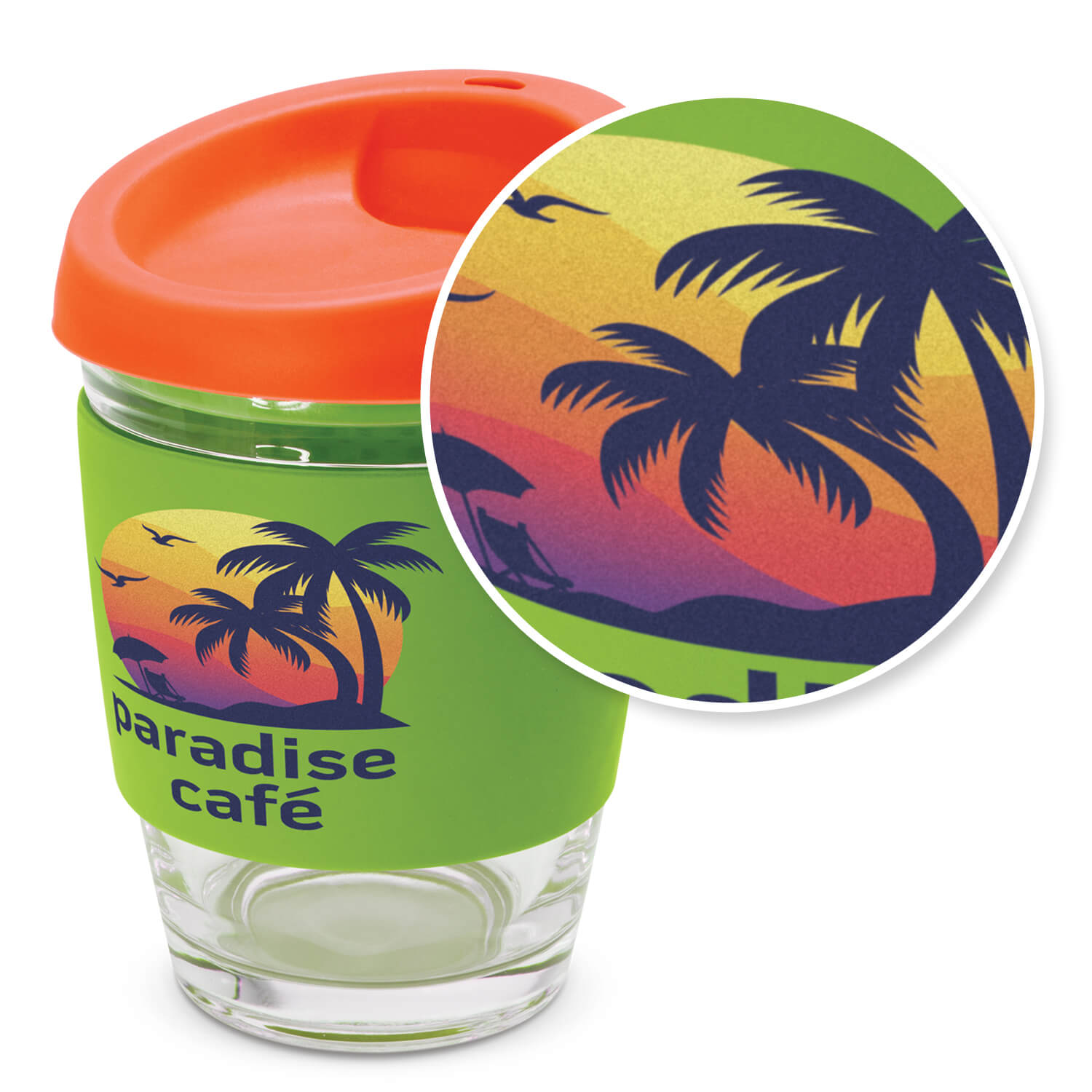
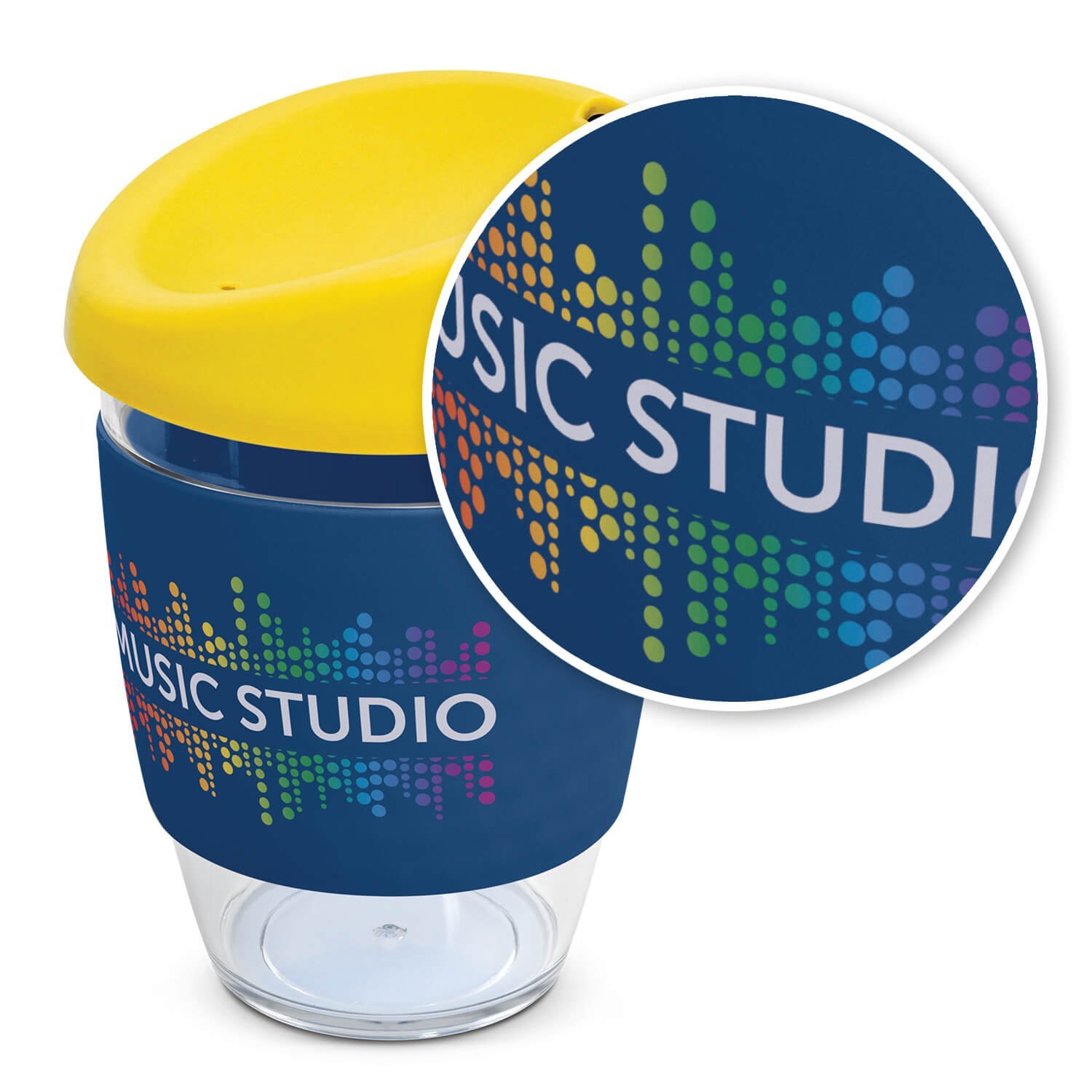
Standard inks do not bond well to silicone. This process uses a modified CMYK system made for silicone so the print stays flexible and resists everyday scratch and fade. A white underbase can be laid down first, which means dark silicone can still carry a bright logo.
Keep detail no finer than 0.7mm. Metallic gold, silver and neon colours are out. Variable data is not used on this process. Hand-wash only if you want the print to last. Supply vector art, or a 300dpi bitmap at final size, with fonts outlined.


Good for:
- Flexible silicone gifts and wearables
- Dark silicone that still needs full colour
- A matt print that moves with the product
Not suitable for:
- No metallics or neons
- Variable data
- Minimum detail 0.7mm; hand wash only
Flatbed Screen Print
Also known as: screen print, silk screen, mesh print
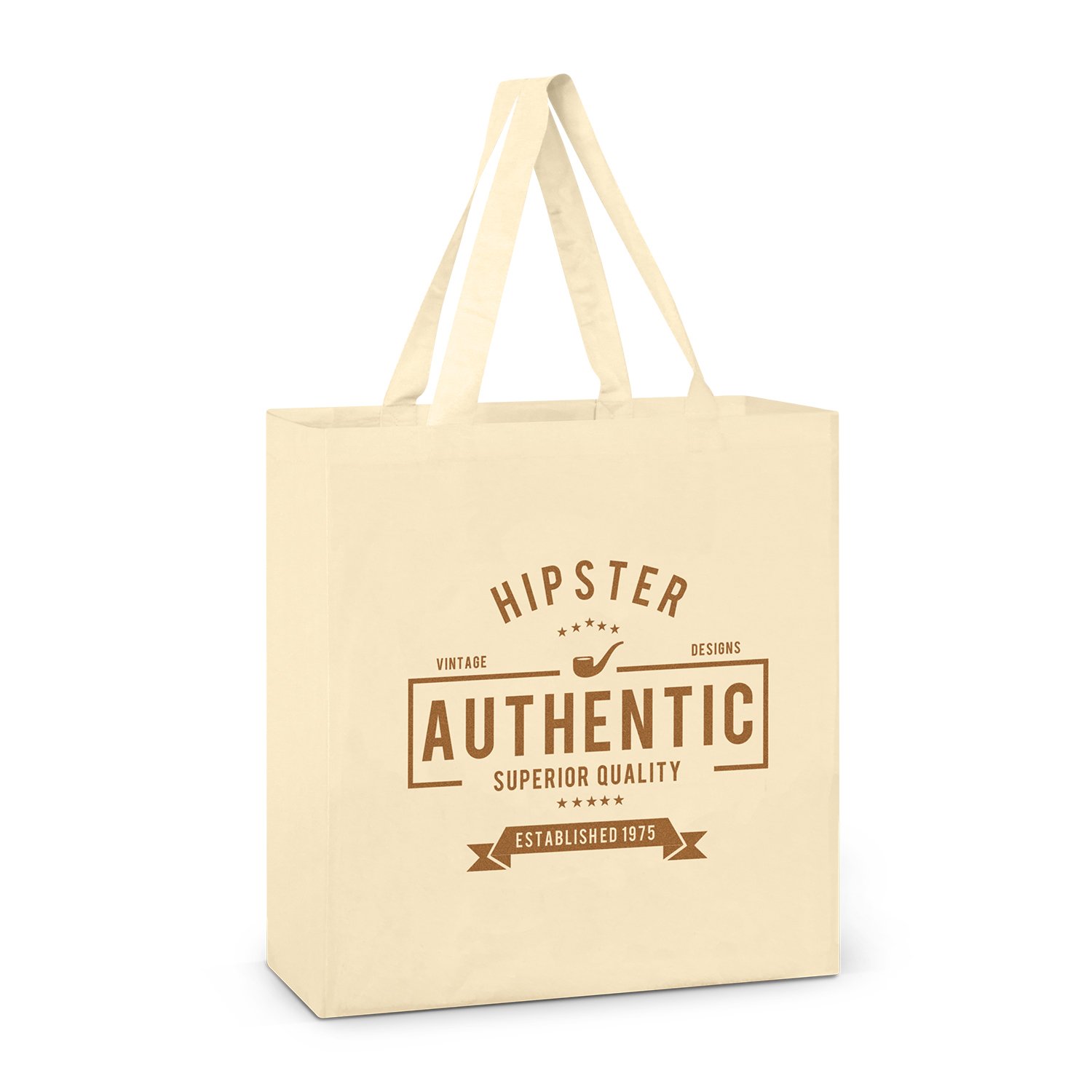
Screen print still wins on simple, bold logos at volume. Ink is pushed through a mesh stencil onto the product. Extra passes can lay down a thicker film, which helps opacity on dark garments and gives the print a solid, durable feel. It is the usual specification for tote bags, t-shirts and many flat or gently cylindrical hard goods when the artwork is one to a few solid colours.
Each colour needs its own screen and set-up, so photographic files and frequent design changes are expensive here. Skip hairlines and halftones. Pantone is close on light products and only approximate on dark ones. Metallic gold and silver are available. Quick-dry inks can ship the same day; some ink systems still need a cure.


Good for:
- Large solid logos on apparel and bags
- Volume orders of the same design
- Metallic gold and silver
- Opaque colour on light products
Not suitable for:
- Individual names or photos
- Fine lines and halftones
Note: Set-up per colour
Direct Digital Print
Also known as: UV print, UV inkjet, flatbed UV, direct-to-object print
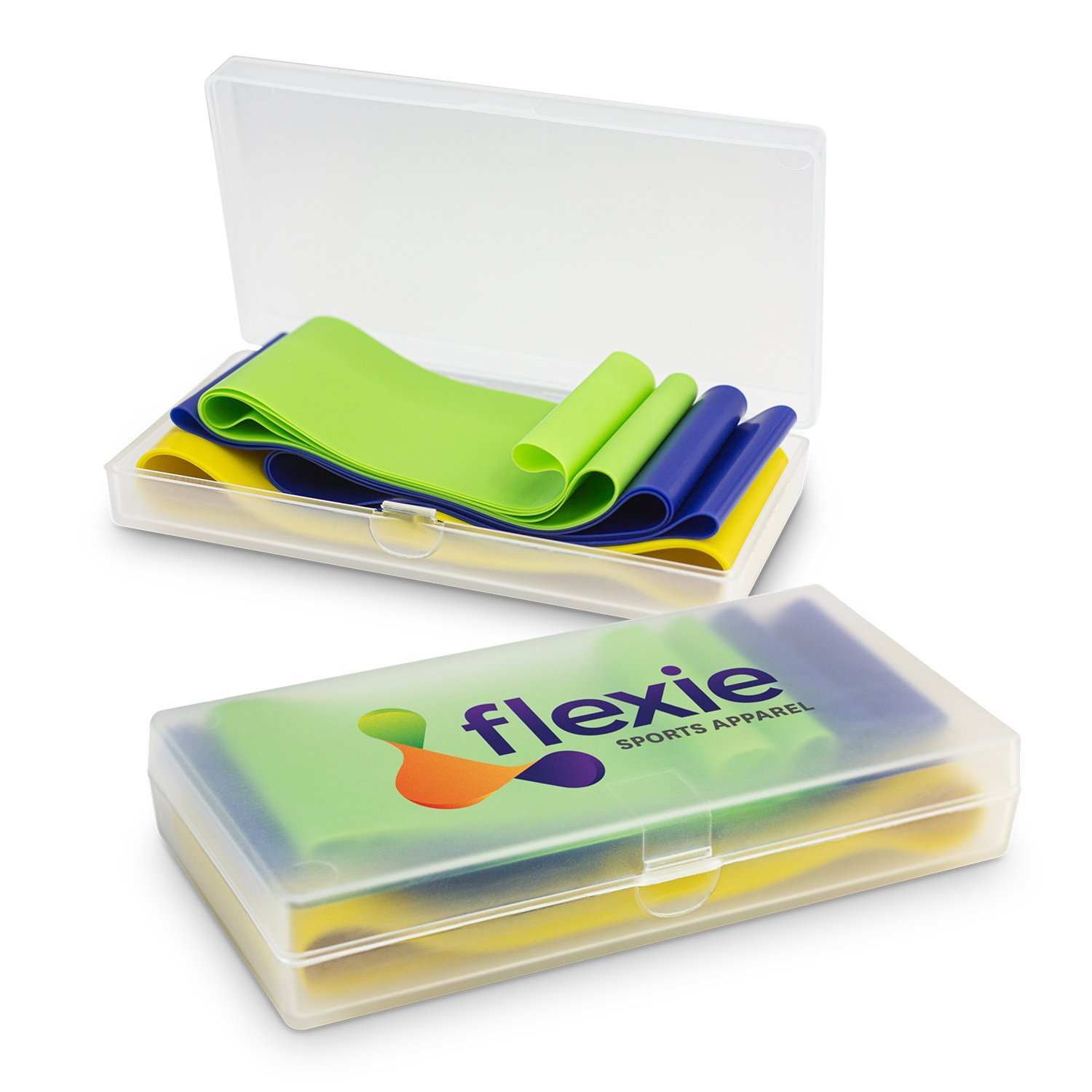
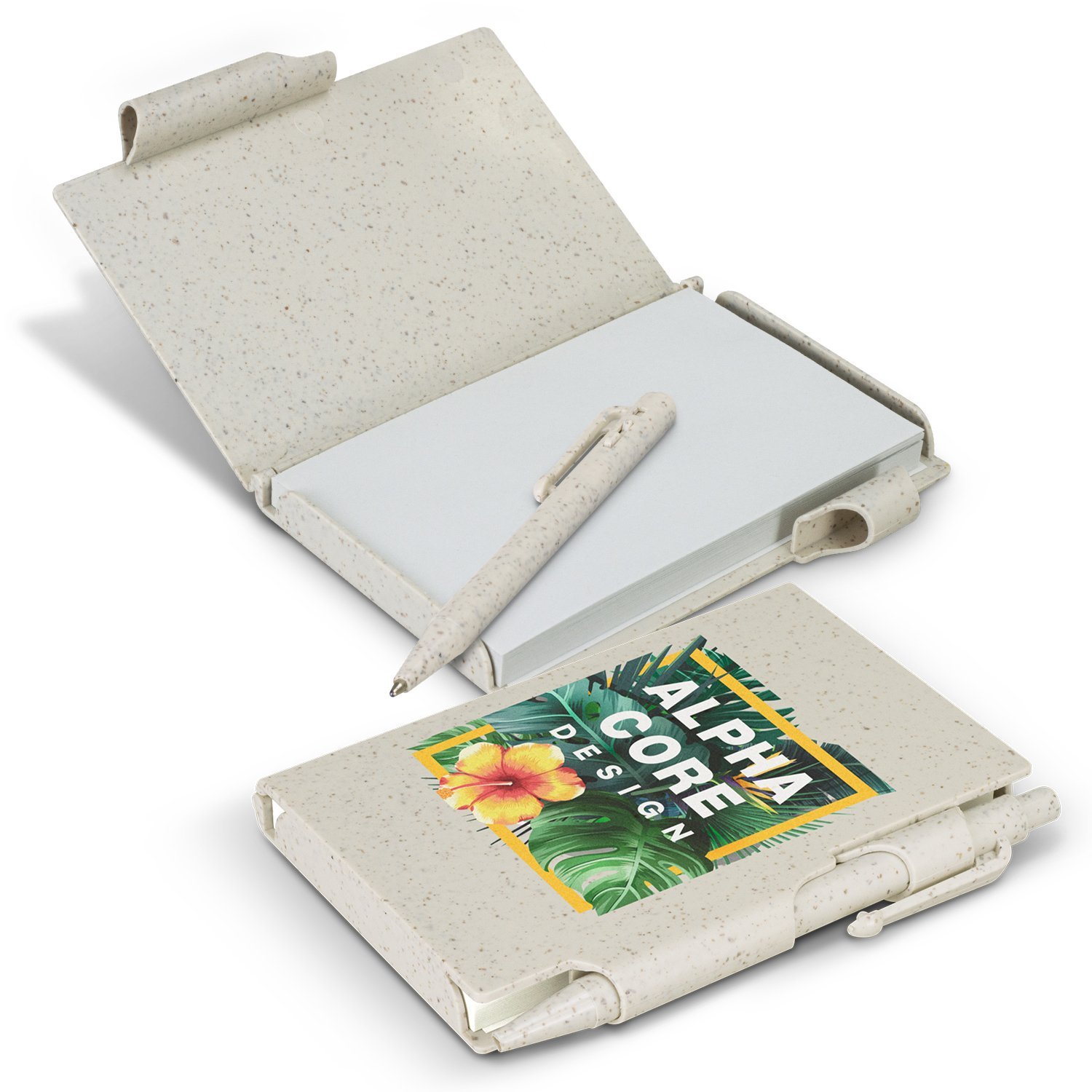
Direct digital (UV inkjet) prints the file straight onto the product, then cures the ink instantly under UV light. A white underbase can be printed first, so full-colour logos stay bright on black or coloured items. It is the current default for notebooks, power banks, tech accessories and most flat or slightly curved hard gifts that need detail rather than a single spot colour.
There is one set-up regardless of colour count. Goods can ship as soon as they are printed. Names and other variable data are available. Print can run close to the edge of flat products. On a tight curve the printable area shrinks. Metallics are not available and Pantone is approximate. Larger coverage can raise the unit cost.


Good for:
- Dark products that still need full colour
- Short runs, reprints and named pieces
- Same-day dispatch after print
- Detail that screen print cannot hold
Not suitable for:
- Curved items – Limited area on curved goods
- No metallic gold or silver
Note: Coverage size can affect price
Colourflex Transfer Print
Also known as: Colourflex, digital transfer, heat transfer, garment transfer
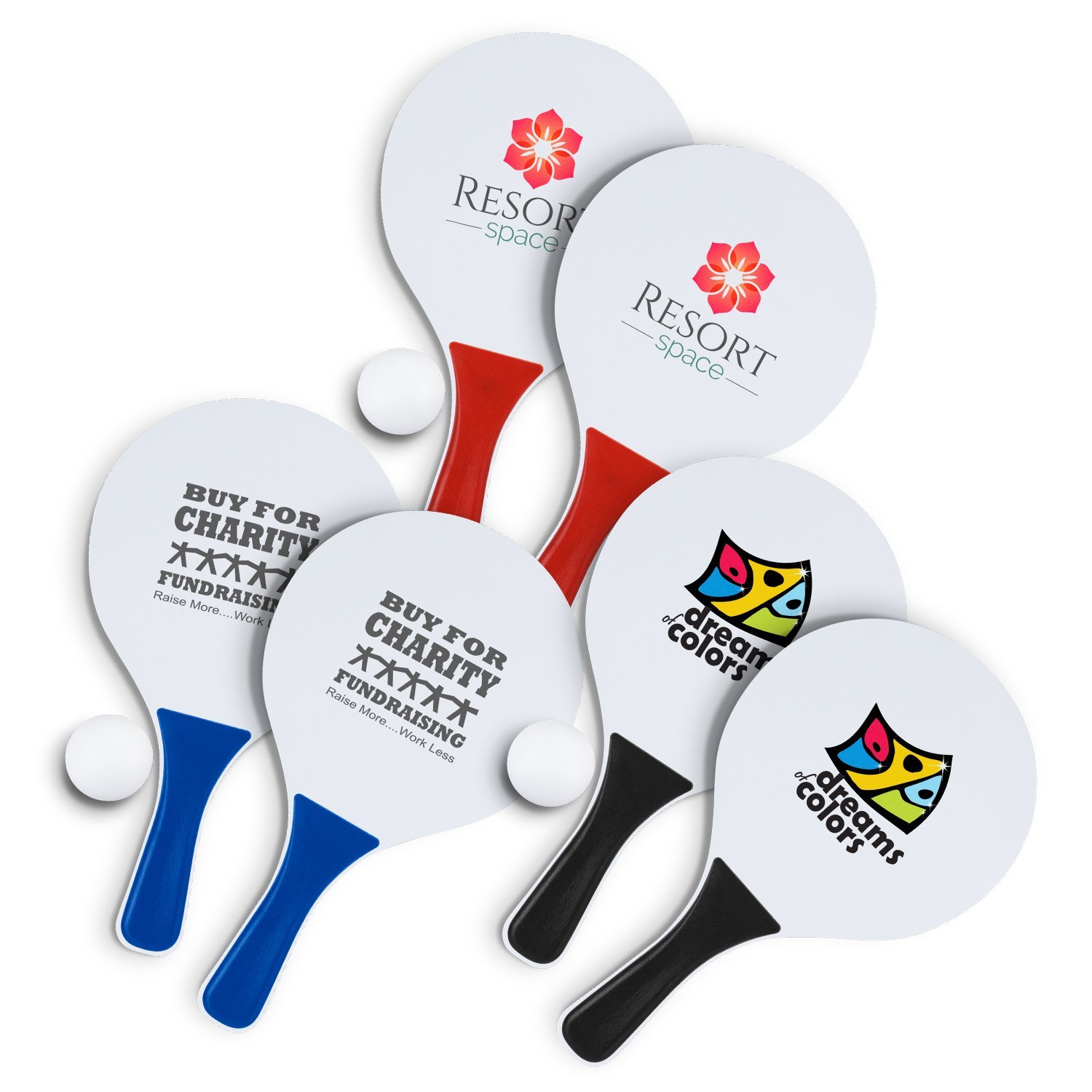
Colourflex is a CMYK + white digital transfer for garments and fabric bags. The design is printed onto transfer film and heat-applied. Current transfers are self-weeding, so loose lettering does not need to be cut out by hand. The inks are water-based. The finish is a soft matt that flexes with the fabric and is machine washable when applied to a suitable garment.
It is the practical choice when the logo has gradients, small type or too many colours for screen print, and the order is not large enough to justify a full screen set-up. Keep detail at 1mm or above. A faint clear edge can sometimes be seen around the print. Metallics and neons are not available, and names are not produced with this process.



Good for:
- Complex full-colour logos on apparel
- Mixed fabric types where a soft handle is needed
- Shorter runs than screen print
Not suitable for:
- No metallic or neon colours
- Variable data
- Fine details – Minimum detail 1mm
Note: Possible clear edge around the design
SupaColour
Also known as: Supacolour transfer, hybrid digital/screen transfer
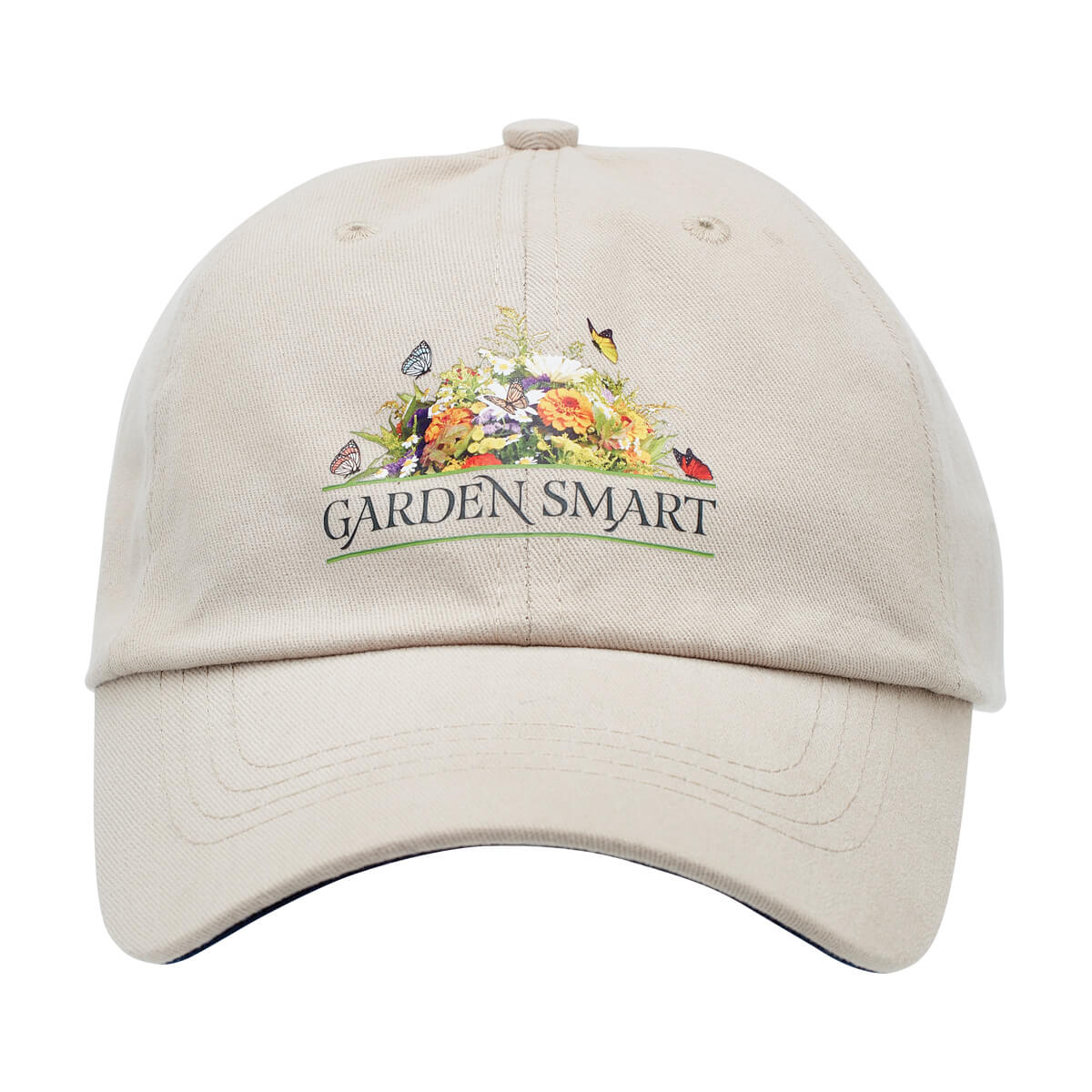
SupaColour combines screen and digital transfer technology to put photo-quality colour onto garments without a vinyl film sitting on the fabric. The inks are water-based and OEKO-TEX Standard 100 certified. Independent wash testing has held the print past 70 washes without peeling, cracking or a stiff hand. It can be applied across seams and onto fabrics that are awkward for conventional transfers.
Use it when the logo has fine type, gradients or a photographic element, or when the placement sits over a seam. Minimum quantities can apply. Supply artwork as vector outlines.



Good for:
- Unlimited colour, fine type and gradients
- Free-floating text with no weeding
- Stretch fabrics and prints that cross seams
- High wash durability without a vinyl layer
- Faster turnaround than many multi-colour screen jobs
Not suitable for:
- Minimum quantities may appl
SupaSub
Also known as: printed patch, sublimated patch, badge patch
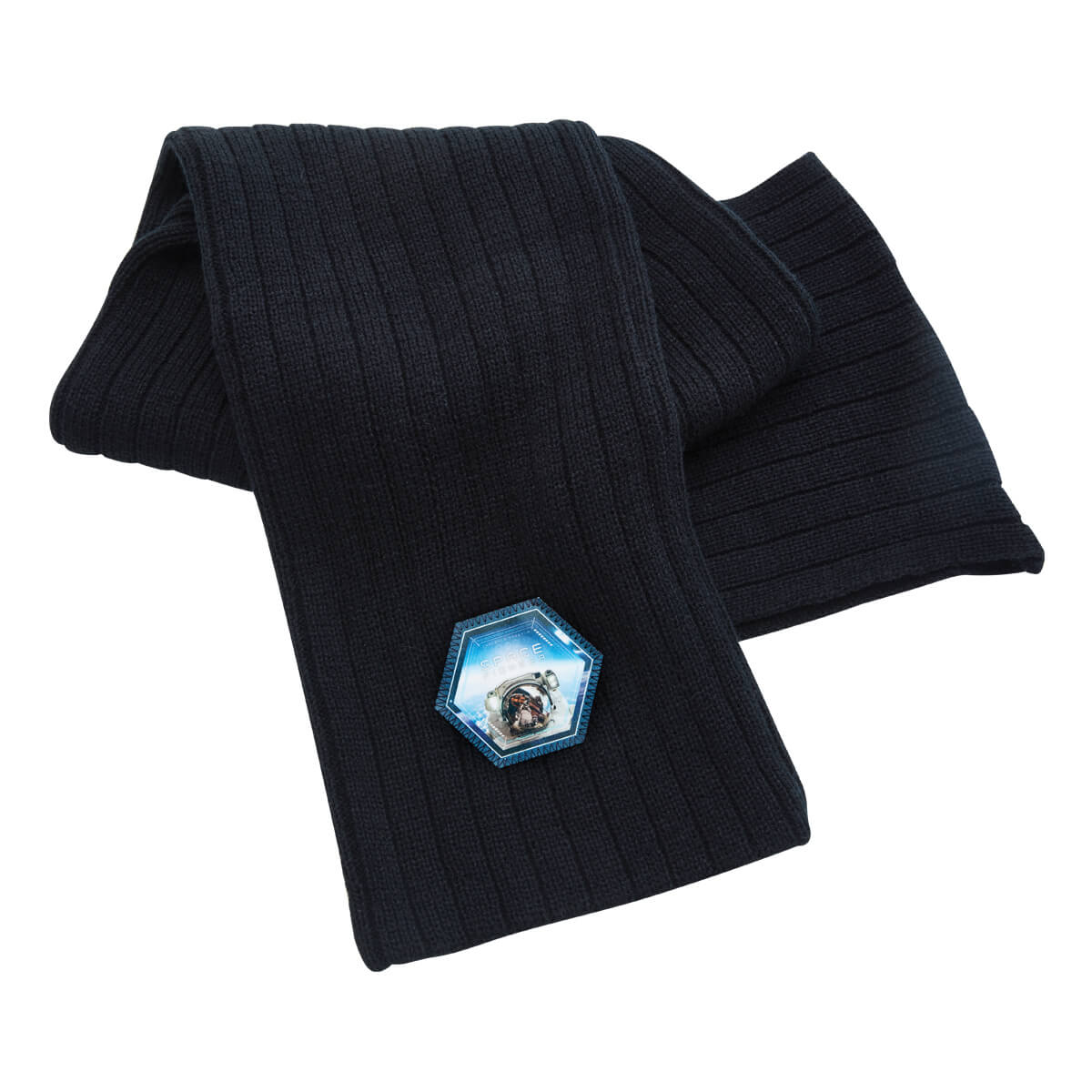
SupaSub is a printed patch that is then stitched onto the product. It gives the presence of a badge or embroidered crest, with the colour range and fine detail of a digital print. Thread can match or contrast, and the edge can be satin stitch or cross stitch. Custom shapes are available.
It is a strong option on beanies, caps, bags and scarves when embroidery cannot hold the artwork, and a direct print is not ideal on the fabric. Minimum quantities may apply. Artwork must be vector outlines.


Good for:
- Fine detail and colour that embroidery cannot stitch
- A lighter feel than a dense embroidered crest
- Custom patch shapes on headwear and soft goods
Not suitable for:
- Minimum quantities may apply
SupaEtch
Also known as: suede patch, laser-etched suede badge
SupaEtch laser-etches the logo into a suede patch, then overlocks that patch onto the product. The result is a tactile, high-value badge rather than a print. Eleven suede colours are available. Stitch can match or contrast, with a satin or cross-stitch edge.
Use it on blankets, beanies, bags, scarves and caps when the brief is texture, not CMYK colour. Minimum quantities may apply. Artwork must be vector outlines.


Good for:
- A premium patch finish on winter and lifestyle products
- Eleven suede colours and a choice of stitch
- Logos that read better etched than printed
Not suitable for:
- Minimum quantities may apply
- Full-colour prints
SupaFlex
Also known as: colour patch, flex badge, floating logo patch
SupaFlex is a colour patch system for caps, beanies, bags, scarves and some apparel. Artwork can float on a coloured background or run edge-to-edge across the patch. Finishes are matt or gloss. The patch is lighter than embroidery and holds fine detail and gradients that thread cannot.



Floating logo:
- Eight background colours
- Matt textured background option
- Matt or gloss face
- Satin-stitch edge
Edge-to-edge logo:
- Any shape or level of detail
- Cross-stitch edge
- Matt or gloss face
Good for:
- Fine detail and gradients on a patch
- A lighter alternative to embroidery
- Headwear and soft goods that need a finished badge look
Not suitable for:
- Minimum quantities may apply